
Creating a relaxing home office space is essential for maintaining focus, reducing stress, and enhancing overall productivity. Whether you work from home full-time or occasionally need a quiet spot to get things done, your workspace should invite calm and comfort. Below are practical tips to help you design a home office that feels both relaxing and functional.
1. Choose the Right Location
Selecting where to set up your office space can impact your concentration and mood.
– Natural Light: Try to place your desk near a window. Natural light helps reduce eye strain and improves your mood.
– Quiet Zone: Pick a spot away from household noise or traffic to minimize distractions.
– Consider Privacy: If possible, use a separate room or a corner where you can close a door or create physical boundaries.
2. Invest in Comfortable Furniture
Comfort is key when spending hours at a desk.
– Ergonomic Chair: A supportive chair that promotes good posture can prevent back pain.
– Adjustable Desk: Consider a desk that can shift between sitting and standing positions for movement during the day.
– Desk Space: Make sure your desk is large enough for your computer, writing materials, and any essential work tools.
3. Use Soothing Colors and Decor
Color and decoration can greatly influence your mood.
– Calming Colors: Soft blues, greens, or neutral tones create a peaceful atmosphere.
– Minimalist Decor: Avoid clutter by keeping decorations simple and purposeful.
– Plants: Adding greenery can increase feelings of calm and improve air quality.
4. Organize for Efficiency and Clarity
A tidy workspace reduces mental clutter and distractions.
– Declutter Regularly: Clear off your desk and file away papers frequently.
– Storage Solutions: Use shelves, drawers, or bins to keep supplies organized and out of sight.
– Cable Management: Use clips or sleeves to keep cords neat and prevent tangling.
5. Control Lighting and Temperature
Proper lighting and temperature help maintain comfort throughout the day.
– Task Lighting: A desk lamp provides focused light where needed.
– Avoid Glare: Position screens to reduce glare from windows or lights.
– Temperature: Keep the room at a comfortable temperature to avoid discomfort and distractions.
6. Incorporate Personal Touches Wisely
Personalizing your space can increase enjoyment but avoid overcrowding.
– Photos or Artwork: Select a few motivating or peaceful images.
– Inspirational Quotes: A subtle reminder can boost positivity.
– Comfort Items: A soft throw blanket or a cushion for your chair can enhance comfort.
7. Add Elements to Reduce Stress
Incorporate features that help you relax and reset during breaks.
– Aromatherapy: Scents like lavender or eucalyptus can promote calm.
– Sound: Use a white noise machine or soft background music if it helps you focus.
– Break Area: If space allows, include a small reading nook or comfortable chair for short breaks.
8. Maintain Digital Organization
Your electronic environment matters too.
– Desktop Clean-up: Keep your computer desktop neat with only essential shortcuts.
– Email Management: Set specific times to check and respond to emails to avoid constant interruptions.
– Software Tools: Use apps that help with task management and reduce digital clutter.
Conclusion
Creating a relaxing home office requires thoughtfulness about your physical and mental needs. By choosing a good location, investing in comfort, keeping the space organized, and adding calming personal touches, you can build a workspace that supports productivity and wellbeing. Remember, your home office should be a place where you feel at ease and motivated to work, so take the time to design an environment that truly suits you.
Related Posts

Tips for Organizing a Productive Home Workspace
Creating a productive home workspace is essential for maintaining focus…
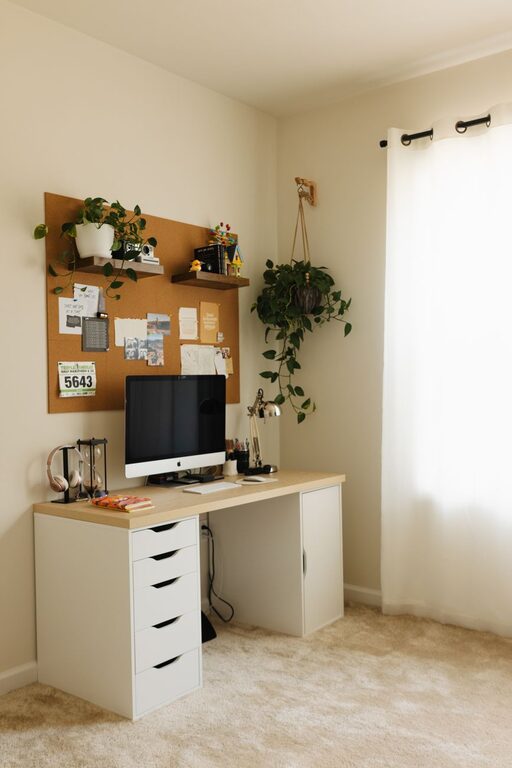
Tips for Creating a Cozy and Productive Home Office Space
Creating a home office that feels cozy yet promotes productivity…

Tips for Creating a Relaxing Home Workspace to Boost Productivity
Creating a relaxing home workspace is essential for anyone looking…